Astronomy Labs —
Where Research Meets Real-World Engineering
The same sky our rockets fly into.
Frontier Engineering, Purpose-Built for Industry
Astronomy & Space Observation Labs pairs motorized telescope observation decks with deep-sky imaging and astrophysics data science. A natural companion to Aerospace Labs, this is where students map the universe, track orbiting satellites, and analyze real cosmic spectrograms.
Motorized GoTo computer-controlled telescope mounts for guided planetary and deep-sky observation
Astrophotography imaging stations equipped with cooled planetary and DSO CMOS cameras
Astrophysics data pipeline analyzing light curves, exoplanet transits, and stellar spectrometry
Night-sky observation camps and satellite pass tracking tied to student aerospace launches
How We Work
From Lab Research to Client Deployment
Core Technical Focus Areas
Targeted specializations driving next-generation engineering across industry, research, and critical infrastructure.
Deep-Sky Telescopes
Tracking lunar craters, planetary rings of Saturn and Jupiter, open clusters, and deep interstellar nebulae.
CMOS Long-Exposure Imaging
Capturing narrow-band emission lines (H-alpha, O-III) using cooled CMOS astronomy sensors and image stacking software.
Spectroscopy & Exoplanets
Mining astronomical survey data, calculating stellar temperatures from spectra, and detecting exoplanet transit dips.
Specialized Lab Workstations
Purpose-built research bays equipped with industry-standard instrumentation, enabling our engineers to design, test, and validate complex systems at depth.
Optical Telescope Array Pod
High-magnification catadioptric and refractor optical tubes mounted on German Equatorial GoTo mounts with GPS alignment.
- 8-inch Schmidt-Cassegrain
- Computerized GoTo Mount
- Planetary Eyepiece Set
Astrophotography & Image Stacking Lab
Specialized imaging rigs with cooled CMOS sensors, electronic filter wheels, guide scopes, and PixInsight / DeepSkyStacker suites.
- Cooled CMOS Astronomy Camera
- Narrowband H-Alpha Filters
- Auto-Guiding Rig
Astrophysics Data Science Desk
High-throughput computing stations accessing NASA Exoplanet Archive and ESA Gaia survey databases using Astropy and Python.
- Astropy & Astroquery
- Transit Curve Analysis
- Spectrometry Workstation
What Clients Receive From This Lab
Every engagement with Astronomy Labs is structured to produce tangible, measurable engineering outcomes — not just research reports.
Technology Stack
Client Engagement Tiers
We structure our client engagements in progressive phases — from initial feasibility and prototyping through to full-scale deployment and operational support.
Observational Astronomy & Telescope Mechanics
Celestial coordinates (RA/Dec), optical designs, collimation, equatorial polar alignment, and naked-eye constellation navigation.
Deep-Sky Astrophotography & Image Processing
Long-exposure photography, dark/flat calibration frames, image stacking algorithms, narrowband filters, and satellite tracking.
Astrophysics Research & Exoplanet Photometry
Stellar spectroscopy, Hubble & James Webb data analysis, exoplanet light curve transit fitting, and peer-reviewed astronomical observation.
Hardware & Software Apparatus
A comprehensive inventory of the precision instruments, development platforms, and software tooling that underpin all Astronomy Labs research and client deployments.
Inside Astronomy Labs
A look into our active research bays, hardware benches, and ongoing client project workstations.
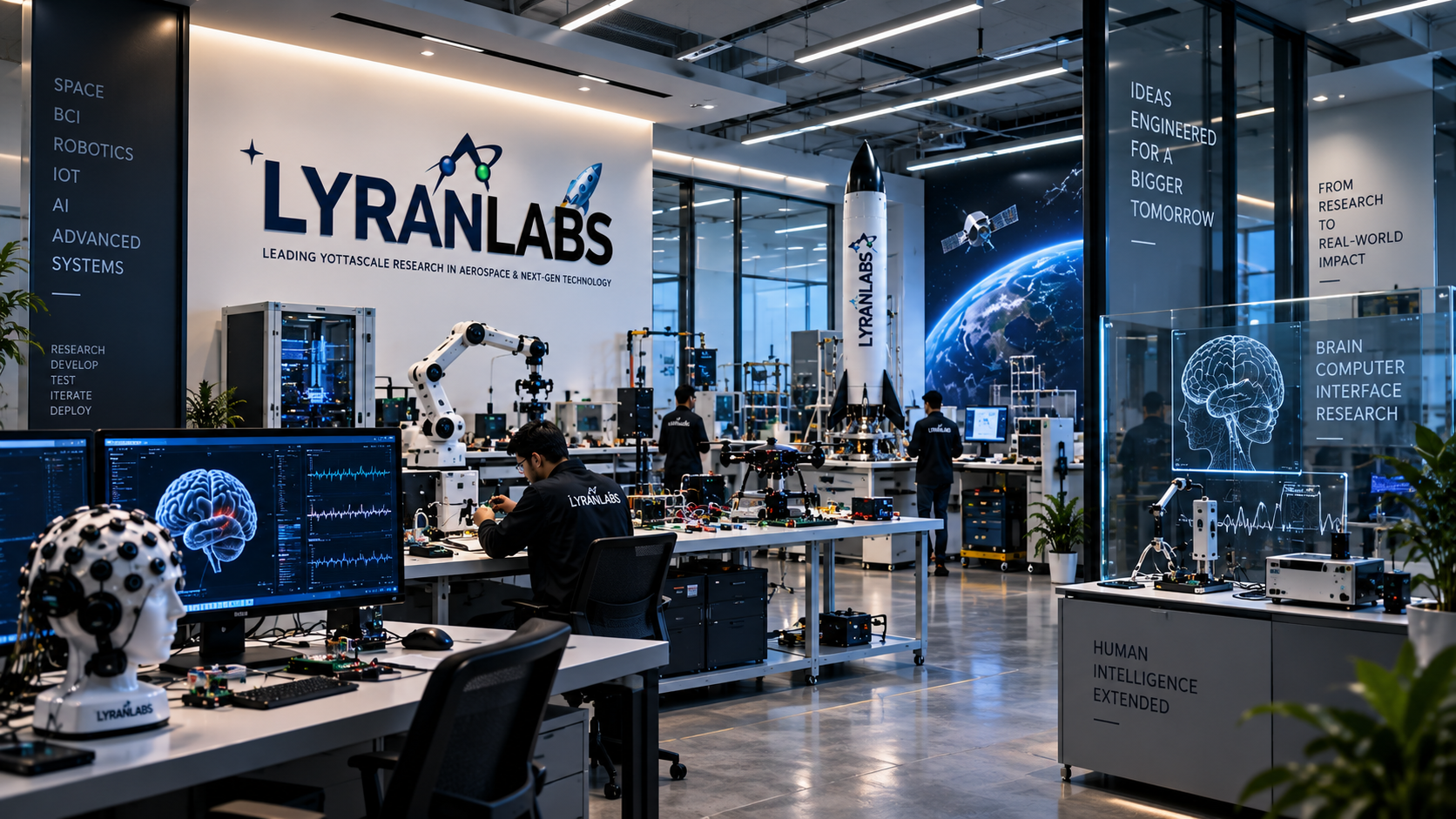 Observation Lab
Observatory Control Systems
Data processing hubs for deep space and planetary imaging captures.
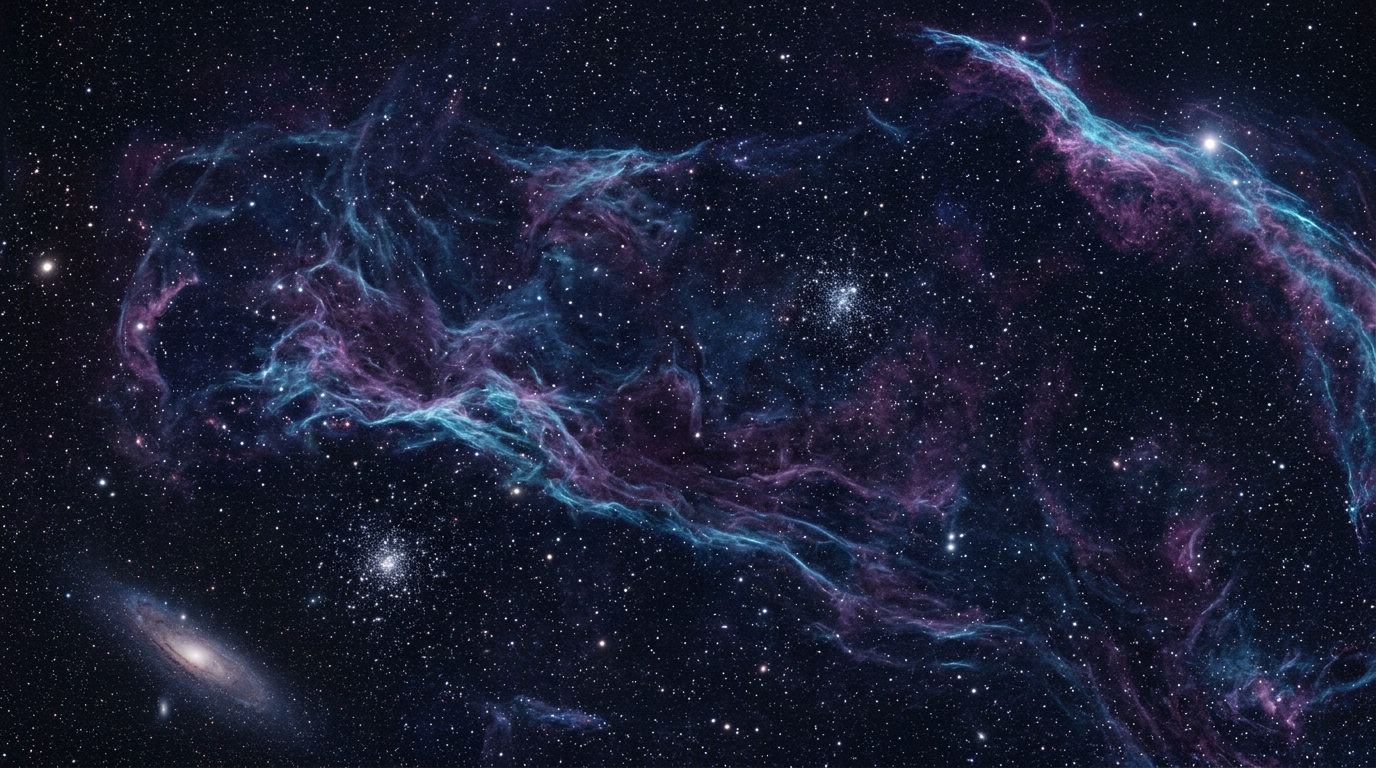 Imaging
Deep-Sky Astrophotography Benches
Cooled CMOS planetary cameras capturing nebulae, galaxies, and star clusters.
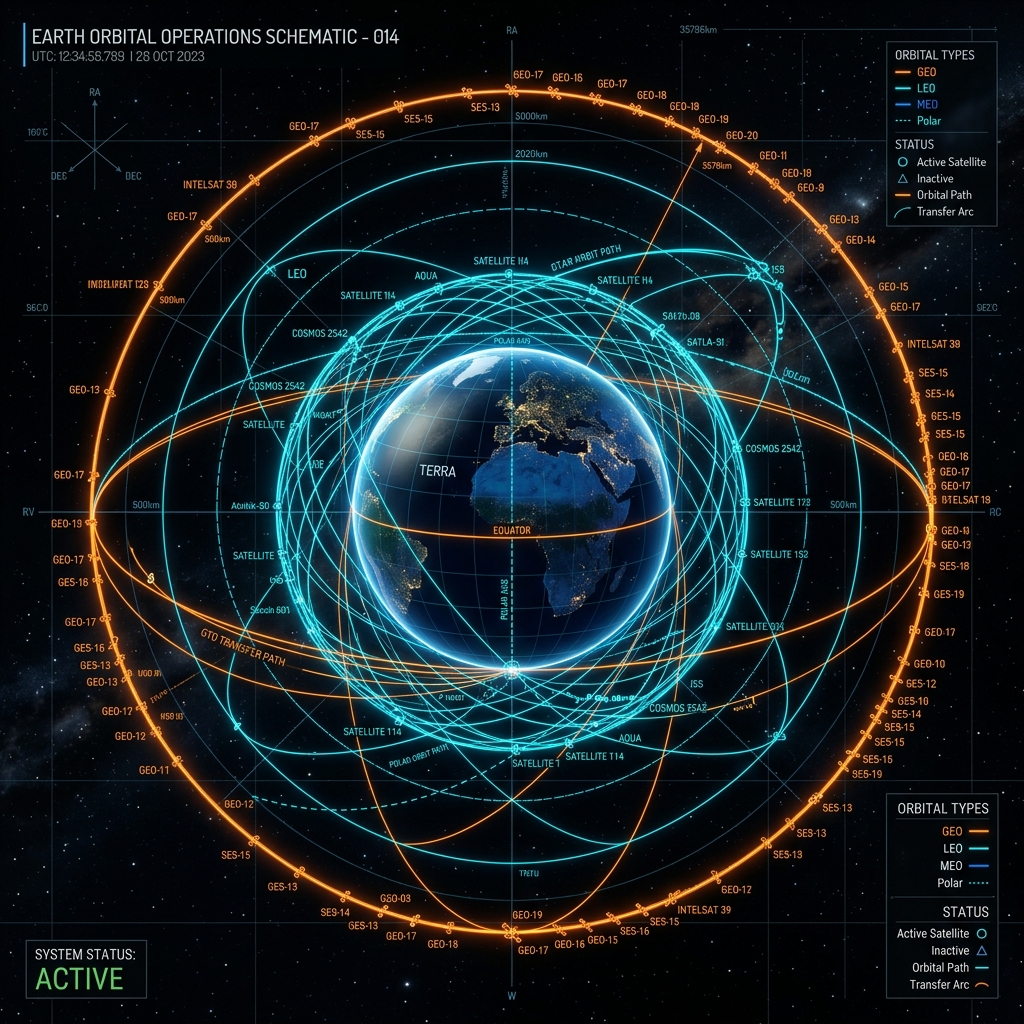 Orbital Systems
Orbital Mechanics & Satellite Tracking
Real-time TLE satellite pass predictions and radio dish ground reception.
 Astrophysics
 & Planetary Spectroscopy
Light spectrum decomposition, absorption lines, and astronomical data mining.
 Space Weather
Cosmic Radiation & Space Weather
Geomagnetic solar flare monitoring and cosmic ray particle detector workstations.
Explore All Research Labs & Services
Lyran Labs operates a portfolio of specialized research divisions and industry service practices — each delivering proven, domain-specific engineering to clients.
BCI Labs
Control technology with your mind.
Robotics Labs
From first build to competition-grade engineering.
Aerospace Labs
Real rocket builds, real launches.
Astronomy Labs
The same sky our rockets fly into.
Industrial IoT & Connectivity
Live sensor networks, engineered for sites WiFi can't reach.
AI & Computer Vision
Vision systems trained on your data, not a demo.
Industrial Automation (PLC/SCADA)
Robotics engineering, applied to your production line.
Software Development
The software layer behind every deployment.
Embedded Systems Engineering
Where an idea becomes a device.
Space Technology & Satellite Systems
The aerospace depth behind our student programs, as an engineering service.
Ready to Deploy Astronomy Labs Capabilities at Your Organisation?
Whether you're scoping a new R&D initiative, seeking a system integrator, or looking to embed specialist engineering within your operations — our lab team is ready to engage.