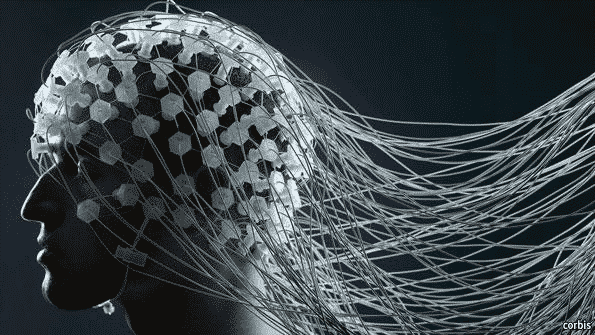
Brain-Computer Interfaces (BCIs) sound like science fiction, but the underlying technology is more accessible than most people realise. At its core, a BCI reads electrical signals - either from the brain (EEG) or from muscles (EMG) - and translates them into commands a computer can understand.
In our Introduction to Brain-Computer Interfaces program, students wear a non-invasive EEG headset and observe how their brain activity changes when they focus, relax, or blink. They learn how raw signals are filtered, amplified, and converted into usable data.
From there, Neural Signal Processing goes deeper into the techniques used to clean and interpret these signals, while Mind-Controlled Robotics lets students apply that knowledge to control a robot using brainwave patterns alone.
What makes this field so compelling is its real-world reach - from assistive technology for people with motor impairments, to hands-free interfaces, to performance and focus tracking. Students who explore BCI early often find themselves drawn toward neuroscience, biomedical engineering, and AI - and our BCI Capstone program gives them a head start by having them build an original BCI-powered application from scratch, the same way our Neurotechnology & BCI Research division approaches new problems.